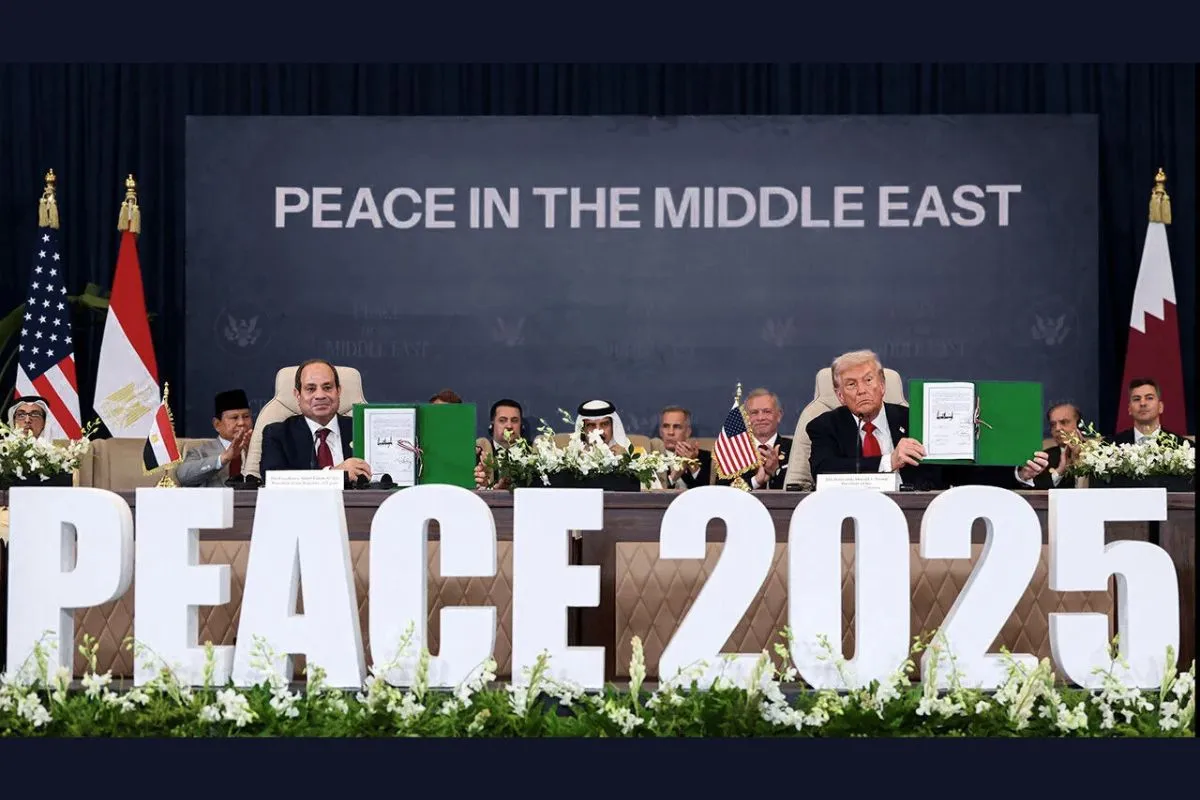
October 16, 2025- President Trump-Gaza Peace deal, which was made on Sept. 29, 2025, has given a fragile yet promising ceasefire to a long-standing dispute. Indisputably, the deal marks a significant step forward by stopping the fighting and obtaining the hostages’ release, but it also comes with a vital question: Why these conflicts were left unsolved for so long?
The Trump Gaza Peace Deal: What Was Achieved?
At the beginning of the Palestinian-Israeli conflict, the Gaza Peace deal suggested by President Trump and Prime Minister Netanyahu at the White House that outlined a 20-point ceasefire framework. The peace plan included the immediate end of hostilities and the release of captives. One of the main conditions surrounding the deal was the transfer of the administration of Gaza from Hamas to Palestinian technocrats under international supervision. This was seen as an effort to rid the area of weapons. Over 250 Palestinian prisoners in Israeli jails were also set to be released. While, at the same time, the disarmament of Hamas was a crucial demand made by Israel.
Surprisingly, the deal turned out to be more than expected in terms of regional and global backing. Egypt, Qatar, Turkey, and many Arab and European countries became the peace summit’s guarantors in Sharm el-Sheikh, Egypt. Trump heralded the agreement as “the end of the age of terror and death,” calling it a “historic dawn of a new Middle East”.
| Key Points of Trump Gaza Peace deal | Details |
| Ceasefire start date | September 29, 2025 |
| Immediate action | Freeze on hostilities and frontlines |
| Hostage release | All Israeli hostages within 72 hours |
| Palestinian prisoners released | Over 250 |
| Gaza governance | Transition to Palestinian technocrats under international supervision |
| Hamas disarmament | Demilitarization of Gaza required |
| Regional support and guarantors | Egypt, Qatar, Turkey, Arab states, and European countries |
| Long-term goal | Conditional path to Palestinian self-determination |
The Deal’s Limitations and The Road Ahead
Despite its significance, the Trump Gaza Peace deal faces major hurdles. This agreement is mainly transactional and non-specific regarding political resolution or the future government of Gaza, lacking a detailed political roadmap similar to the comprehensive peace accords of the past. Hamas has not only opposed the disarmament demands but also continues to hold a considerable amount of power inside Gaza, thus making the deal’s enforceability and durability questionable.
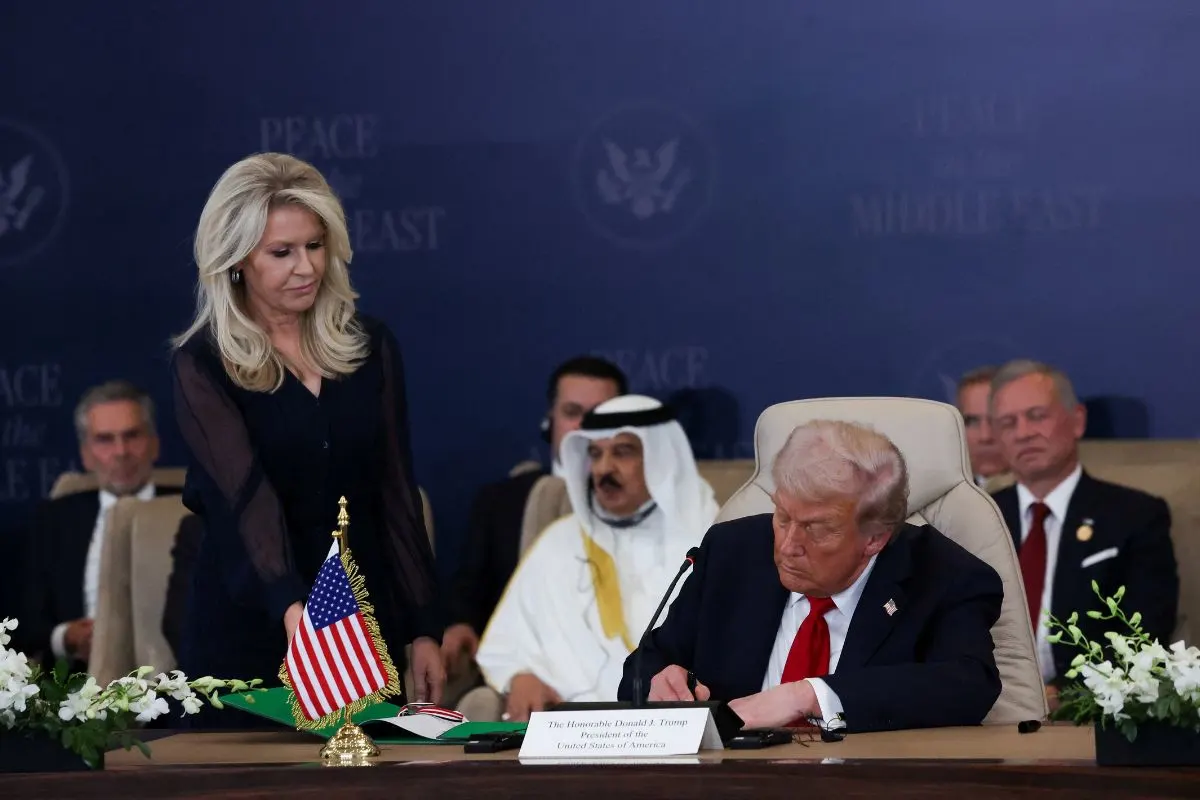
Together with that, the old issues of relations between Israel and Palestine remain unresolved. Affecting the ceasefire considerably are discussions concerning borders. The return of Palestinian refugees, and the recognition of a Palestinian state by global society. The deal’s attention to stopping the fighting and letting the captives go does not touch the heart of these complicated issues.
| Challenges and Criticisms of the Deal | Description |
| Hamas resistance to disarmament | Ongoing control and rejection of terms |
| Lack of political roadmap | No clear resolution on borders, refugees, and statehood |
| Fragile ceasefire | Risk of renewed conflict if conditions fail |
| Deal’s theatrical nature | Viewed as more showmanship than long-term plan |
| Late timing question | Why was the deal not achieved earlier? |
| Sustained peace requirements | Need for patience, trust-building, and deeper negotiations |
Some observers have noted the deal’s theatrical nature. It echoes President Trump’s characteristic style of grand announcements followed by genuine diplomatic challenges. Critics ask if the deal is more showbiz than sustainable peace plan, considering the fragile balance it maintains.
Why Wasn’t The Peace Deal Done Earlier?
This leads to the real question: if President Trump can bring about this ceasefire and agreement in 2025, why wasn’t this done earlier?
The timing can be explained by several reasons. The different administrations, one of them being Trump’s first term, were constantly under tough political, regional, and international constraints. The Middle East always has been a highly complicated issue with numerous participants and external influences. Besides, the shifting of regional powers, especially the fading of Iran’s power. The growing Arab involvement, and the international pressure all these factors together helped to create a political moment which was favorable for the start of peace negotiations.
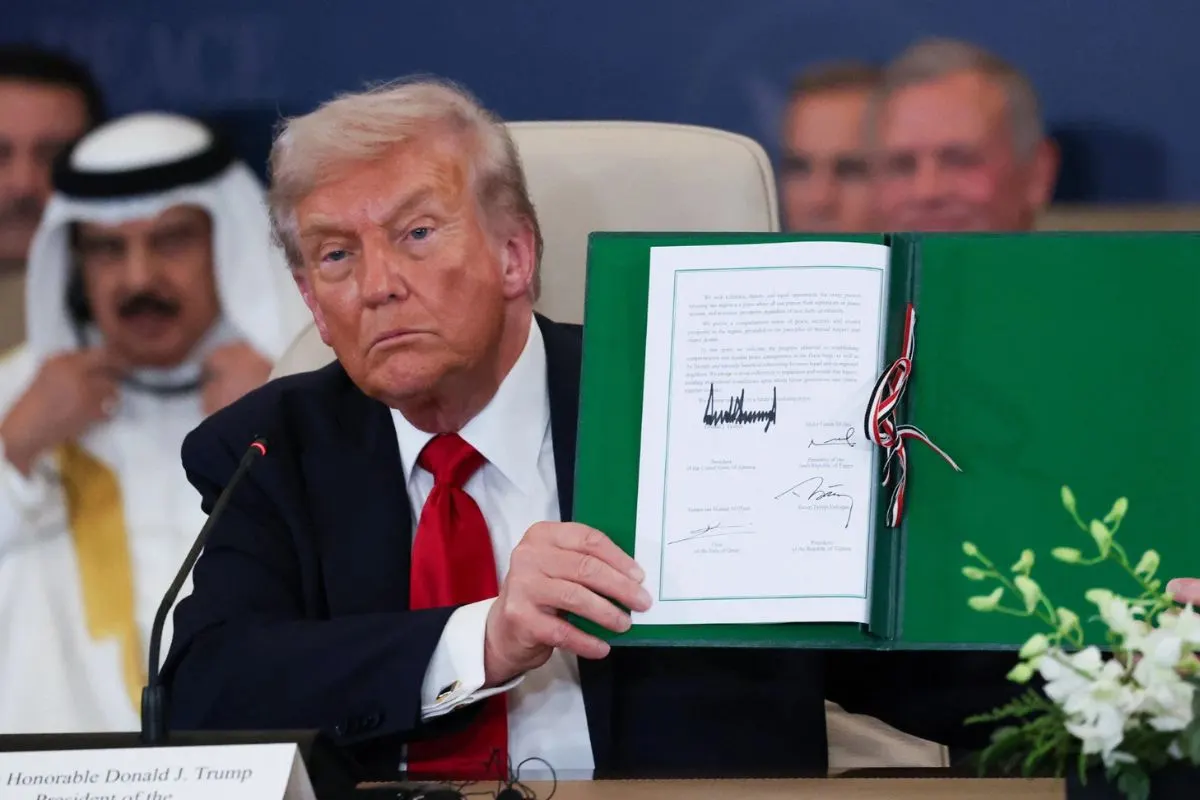
Moreover, the 2023-2025 Gaza war and the resultant urgency may have led the different parties to get into the negotiations which they had earlier considered to be impossible. Trump was able to cut off domestic political distractions during his second term and thus to give this issue his full attention.
Still, there is a lot of skepticism about the motivations. For some, the agreement is nothing more than a political trophy for Trump to display amid his presidency rather than a diplomatic success. The very fact that this landmark deal took so long to come by opens up discussions about past missed opportunities and the still existing difficulties of conflict resolution in the area.
Conclusion: A Hopeful Beginning Eclipsed by Severe Difficulties
The Trump Gaza Peace agreement, albeit precarious, still holds the status of an epoch-making act on the road to the cessation of one of the longest global disputes on October 16, 2025. It has managed to stop the fighting and start important conversations. However, a political, security, and humanitarian situation remain the huge challenges that power the whole process.
Basically, President Trump’s Gaza Peace deal has gone far such as the iceberg of conflicts is well below the surface. But the coming of a peaceful world will be over the years of tireless patience, gradual trust-building, and tackling the deeper issues that underlie the conflict over and above ceasefires and prisoner arrangements. Step by step, the world should welcome the peace but be sure to keep an eye on the tough road ahead.
Why not sooner? This answered question points at the intricate character of Middle East politics, the shifting global scenario, and the fine moment that only now has come to pass. With cautious optimism, the international community must play a part in ensuring this peace deal does not just make headlines but actually helps in making history.
The Trump Gaza Peace deal is a start, not an end. Only through a gradual process of time will the situation be decided whether it is a hopeful ceasefire or lasting peace transformed.
Also Explore: France Joins Spain, Italy, and Greece Preparing for EU Entry/Exit System Rollout: What It Means for Tourists and Airlines