The Tourist Tax Boom in Europe is one of the major factors that will affect the travelers’ decisions regarding holiday planning in 2025. France starts applying the taxe de séjour (occupancy tax). Meanwhile, the taxes in the most visited areas like Italy, Spain, Greece, and the Netherlands go up also. The recent fee changes will mean higher expenses for the nightly stays of the vacationers. The knowledge of the diverse taxes will enable the tourists to allocate their funds wisely and enjoy a trip that is hassle-free and full of fun and thrill.
Tourist Taxes Across Europe
Europe’s Tourist Tax Boom impacts almost every traveler visiting top cities in 2025. France’s taxe de séjour has been in place for years. It applies to overnight stays in hotels and all types of accommodation. The tax is not a fixed amount. It changes depending on the location and type of stay. Hotels of luxurious category in Paris are going to be, without a doubt, more expensive than hostels located in the rural areas.
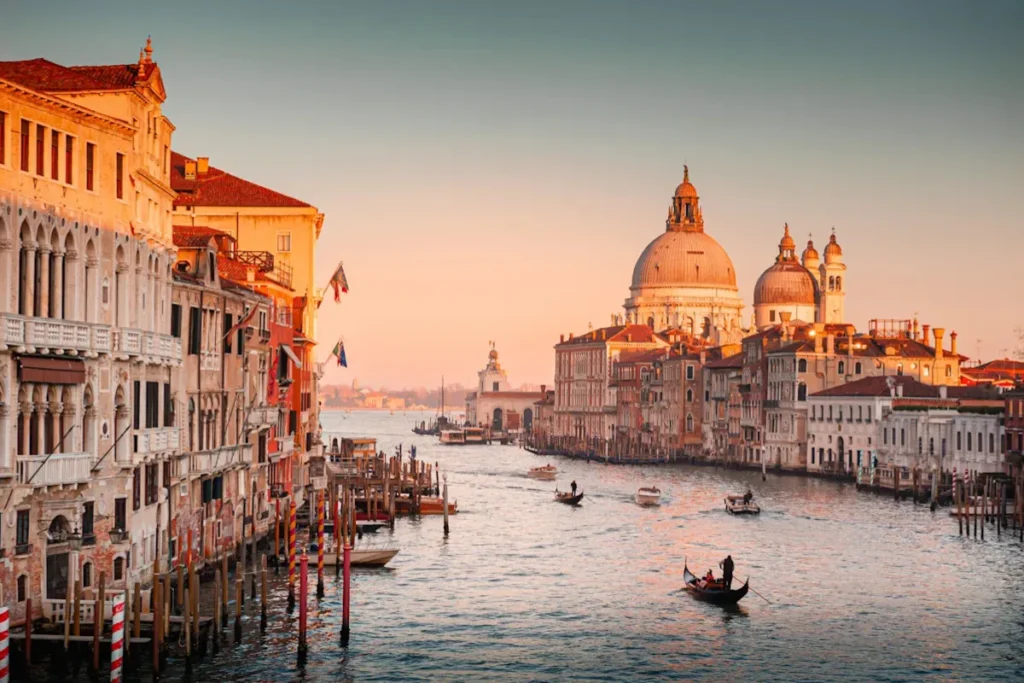
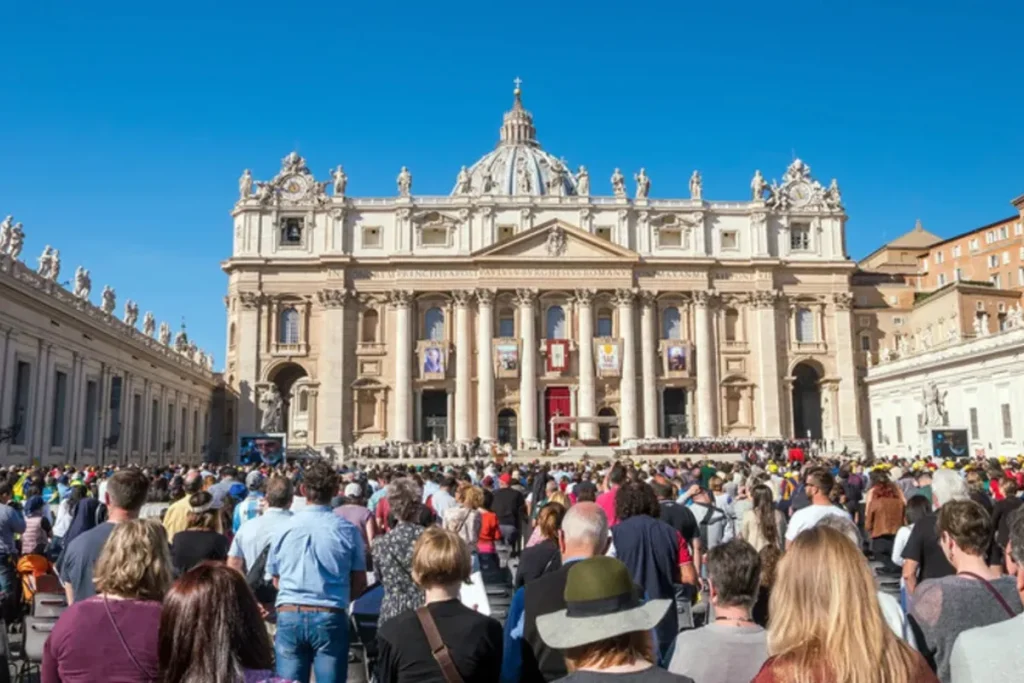
Italy has turned to be one of the most visited destinations in Europe. On its part, Rome along with Venice takes the imposition of the visitor tax on nightly basis paid per person. This rate varies according to the hotel and the season. The funds collected are earmarked for maintenance of attractions and facilities in the city.
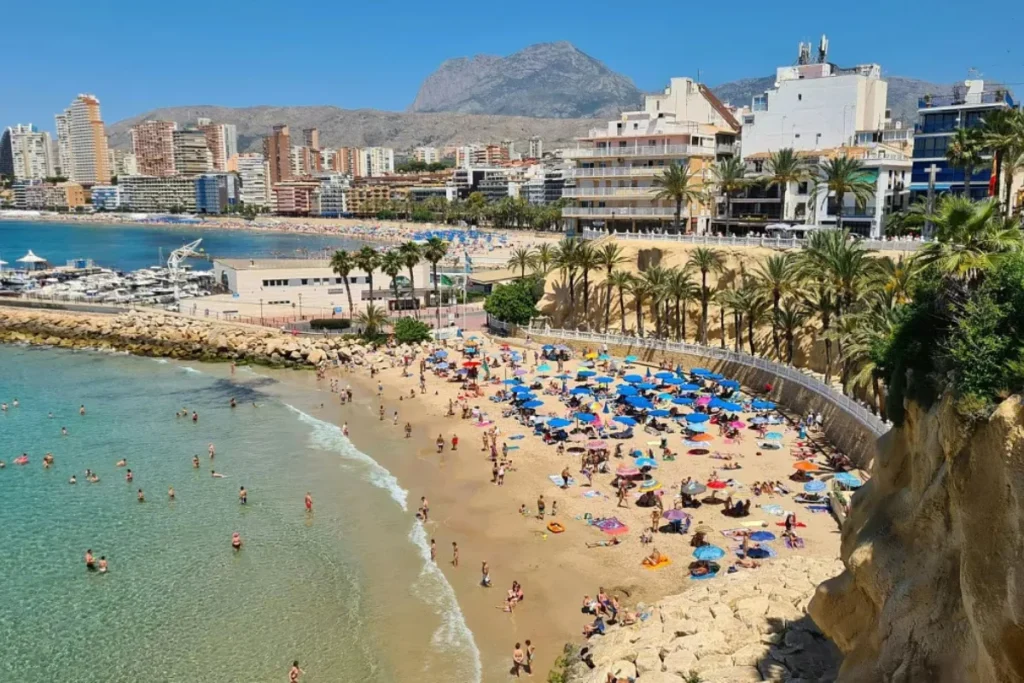
The tourists mostly pay tax in Spain to the Balearic Islands, which include Mallorca, Ibiza, and Menorca. The authorities impose the fee on both posh and cheap lodgings. These funds go toward keeping tourist services and island facilities in good shape.
In Greece, the visitor fee is called the resilience tax. It supports efforts to fight climate change and disaster recovery. Greece allocates funds for the sustainability projects that support the environment by using this money.
The Netherlands imposes tourist taxes on hotels, hostels, and other forms of accommodation. The authority in Amsterdam gets a share of this revenue for improving the transport system and keeping the city clean.
Why Tourist Taxes Matter?
Europe’s Tourist Tax Boom causes the tourists to be aware of the extra costs that will be added to their travel budget. Local taxes, in turn, help to keep the local attractions, public services, and the whole area clean for the mutual comfort of both local residents and visitors. Therefore, although it might not be so nice to pay the taxe de séjour or other charges, it actually brings about a huge improvement in the quality of your travel experience.

The tourist taxes are increased in peak seasons, which are summer, and holidays. One can choose to go on a trip in off-peak seasons to save money. Checking with your hotel or booking site for rates helps avoid surprises.
- Plan your travel during the off-season for lower rates.
- Select budget-friendly hostels or smaller towns with lower taxes.
- Compare accommodation options and tax details before booking.
- Ask hotels for exact taxe de séjour and city taxes in advance.
How Taxes Help Cities and Travelers?
European countries’ Tourist Tax Boom ensures cities and their attractions to be in perfect condition. Tax from tourists is allocated to repairs, and security, and to the modernizations of the infrastructure. Eco-friendly initiatives that use them as their financial sources are the resilience charge in Greece, for example, a big step towards sustainability.
The visitor’s fee and other tourist charges are the means through which you help the cities, streets, and transport systems of your favorite places to get ready for your next visit. The cities are better-kept, the streets safer, and the transport systems better.
It seems that tourist taxes are going to be a permanent feature. Good management reduces the effect. The Tourist Tax Boom in Europe is now a daily travel feature that guarantees everyone’s holidays to be exciting and ecologically sustainable.
Read More: Rosalía Releases Berghain: Flamenco, Berlin Club Vibes, and Björk Collaboration