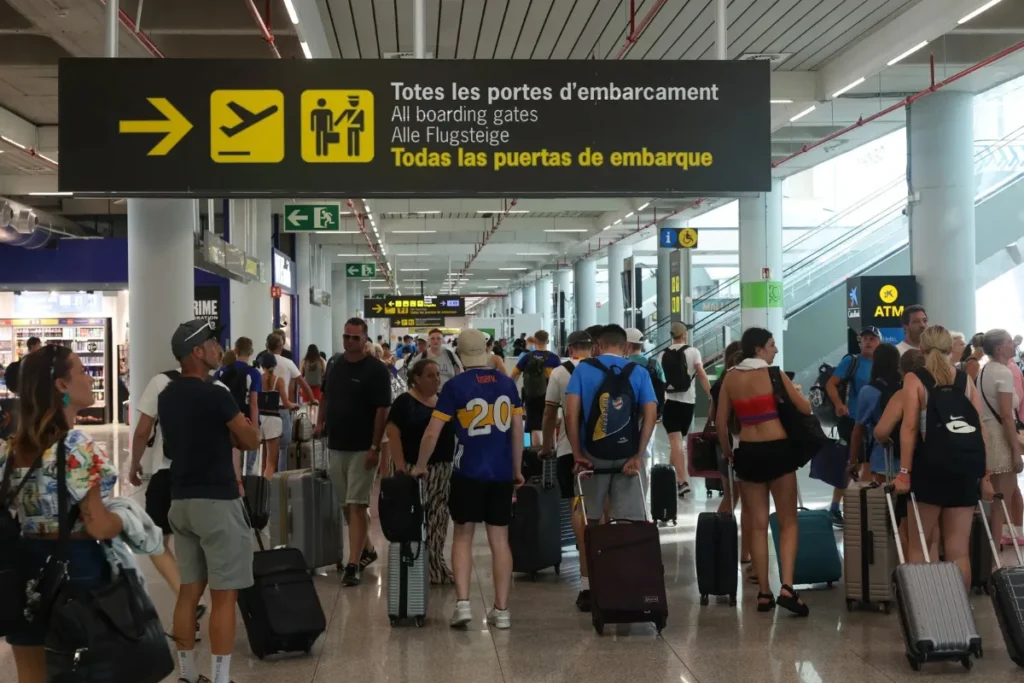
Lanzarote Airport in Spain started implementing the EES border checks on November 12, 2025, which is the day the EES system was introduced to other EU airports. By that time, all arrivals at the airport would have to go through a digital system. Instead of the old passport stamping at the gate which was the main procedure in the past.
The new system is meant to facilitate the flow of people who are crossing the borders of the Schengen area. Since the EES Border Checks between the participating states are mostly invisible anyway. Hence, the Schengen zone encompasses 29 European nations and you’d feel the impact if you were traveling from a non-EU country, like the United Kingdom. EES records travelers’ biometric data like face photos and fingerprints when they enter and leave. This information is stored digitally to better monitor short stays in Europe.
What the EES Means for Travelers at Lanzarote Airport?
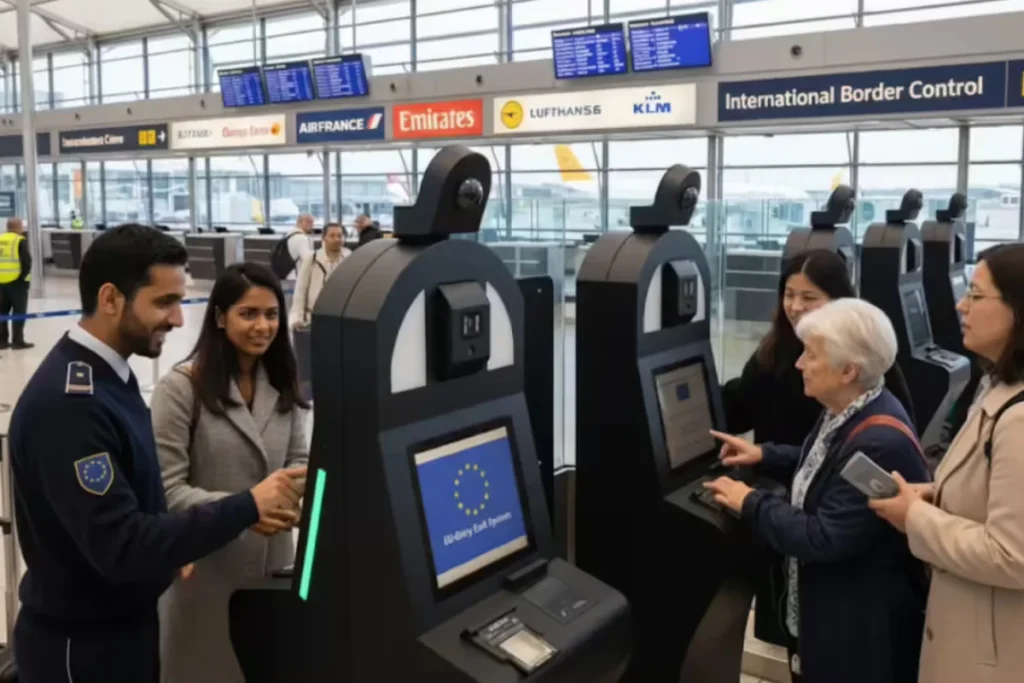
Starting on November 12, 2025, all passengers coming into Lanzarote’s César Manrique Airport must comply with the new border check procedures. The method is using computer hardware that is capable of scanning the passport, taking a facial picture, and capturing the fingerprints. This information then takes the place of the passport stamps used earlier to indicate the person’s entry and exit. The intention of the system is to reduce the wait time at the border while providing high security. The system is designed to speed up border control while maintaining strong security standards.
The Ministry of the Interior of Spain has spent 83 million euros to upgrade border crossing points including airports. All air and land borders are ready for EES Border Checks. However, sea ports are still in the process of installing the necessary infrastructure. During the trial phase lasting six months, the rollout in Spain will be gradual. Lanzarote’s airport is among the first to go live with the new system, followed by other airports and then land and sea borders.
For many non-EU travelers, the EES system requires providing biometric data only during their first entry. For later trips, their information will be quickly retrieved from the database. Children under 12 are excluded from fingerprinting. The system records entry and exit dates, the place of the border crossing, and refusal of entry if it occurs. This enhances border control and keeps travel data secure under EU data protection rules.
Benefits and Impact of EES Border Checks at Spanish Airports
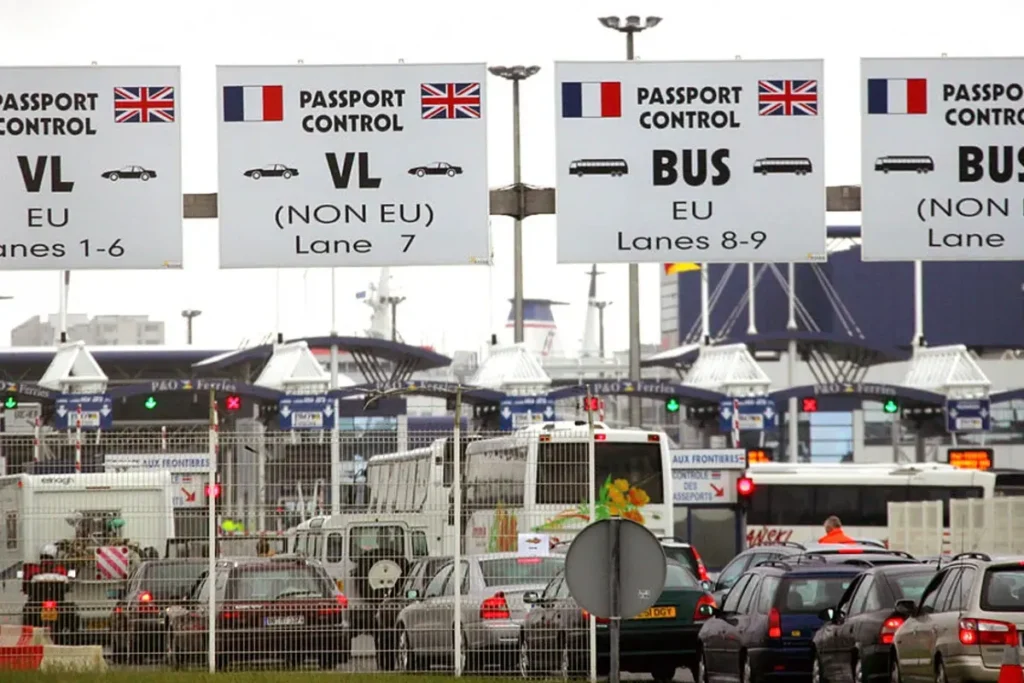
The introduction of EES border checks marks a major change for Spain’s airport border management. By replacing manual passport stamping with automated digital registration, the border officers can verify identity faster. This reduces waiting times for travelers and makes controls smoother. The digital procedure also allows for the authorities to keep track of overstays and to manage border security more efficiently.
Now, especially for those from 3rd countries, the travelers that are arriving at Lanzarote Airport go through a more secure and efficient entry process. The automation has also given the staff the chance to focus on security matters rather than being involved with the usual checks. Governments across the EU are confident that EES Border Checks will provide better tracking of travelers while protecting privacy rights.
While the system is still in its early days, Spain’s comprehensive investment means that all airports will soon fully adopt EES. Lanzarote Airport’s rollout starting November 2025 is part of the European-wide plan to complete implementation by April 2026. The EES border checks give Spain the tools to manage increasing traveler flows in a modern, digital age.
Read More: Renting An Apartment In Spain Guide: 10 Key Things to Know