A leaked Pentagon email, angry phone calls, and a furious US president Europe’s relationship with Washington is cracking fast, and nobody seems sure how to fix it.
A single leaked email from the Pentagon has thrown the already shaky relationship between the United States and its NATO allies into fresh chaos. The document, which reportedly suggested removing American troops from Spain, has pulled back the curtain on just how deep the tensions have grown between Washington and Europe over the US-led war against Iran.
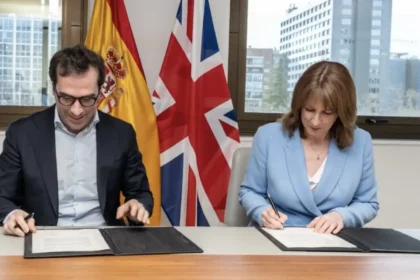
At the centre of the storm is Spanish Prime Minister Pedro Sanchez. He refused to let US forces use joint military bases on Spanish soil for operations against Iran, calling the strikes illegal under international law. He also flatly rejected Donald Trump’s demand that NATO members raise defence spending to 5% of GDP — the only NATO leader to do so. Madrid was quick to dismiss the leaked email, with Sanchez stating bluntly: “We do not work based on emails. We work with official documents.”
But Spain is not alone in pushing back.
Old Friends, New Fights
Italy’s Prime Minister Giorgia Meloni — once seen as so close to Trump that she was dubbed a “Trump whisperer” — has also broken ranks. She blocked the US from using the Sigonella airbase in Sicily and publicly called Trump’s recent remarks about the Pope “unacceptable.” Trump fired back at his former ally, telling an Italian newspaper: “She’s the one who’s unacceptable.”
Even the United Kingdom, historically Washington’s closest partner, has not been spared. A section of the Pentagon email reportedly hinted at a review of the US position on the Falkland Islands — a pointed jab at London. UK Prime Minister Keir Starmer has drawn Trump’s repeated anger for resisting full backing of the Iran campaign, despite eventually allowing the US to use British bases.
What NATO Was Built For
Defence experts say the deeper problem goes beyond individual disputes. Camille Grande, former NATO assistant secretary general, warned that Washington is asking the wrong questions entirely.
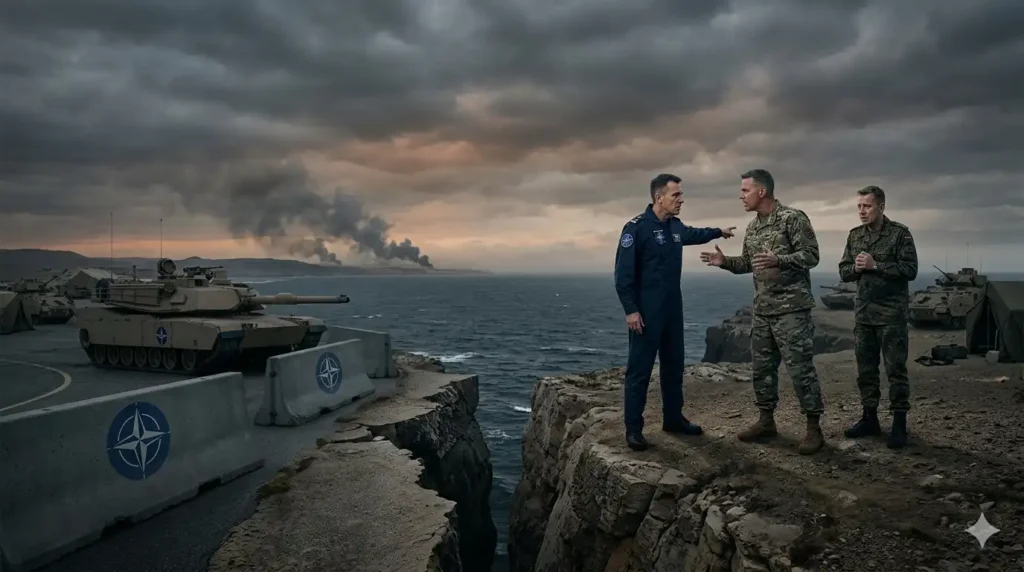
“The defence alliance is based on consensus, not run by the United States,” he said, comparing Trump to a landlord trying to evict tenants who won’t pay enough rent — except, as Grande put it, “NATO is not Trump’s building.”
French President Emmanuel Macron has gone further, accusing Trump of “hollowing out” NATO by constantly undermining it in public. Polish Prime Minister Donald Tusk, traditionally one of America’s strongest supporters in Europe, openly questioned this week whether the US would actually honour Article 5 — NATO’s mutual defence guarantee — if an ally was attacked.
The concern is not abstract. Dutch military intelligence warned this week that after the Ukraine war ends, Russia could be ready to launch a conflict against a NATO member within a year.
A Summit in the Shadows
With NATO’s annual summit approaching in July, former Secretary General Jens Stoltenberg cautioned that the alliance’s long-term survival could not be taken for granted — though he insists it remains firmly in America’s own interest.
Together with NATO allies, we are 50% of the global economy and 50% of the world’s military might,” Stoltenberg said.
Europe is not abandoning the US. Most allies have provided quiet, behind-the-scenes support. But governments across the continent draw a clear line: NATO is a defence alliance. It was never designed to rubber-stamp what many in Europe consider a war of choice.
Read more: NATO on the Edge: How Trump’s Iran War Is Splitting the West