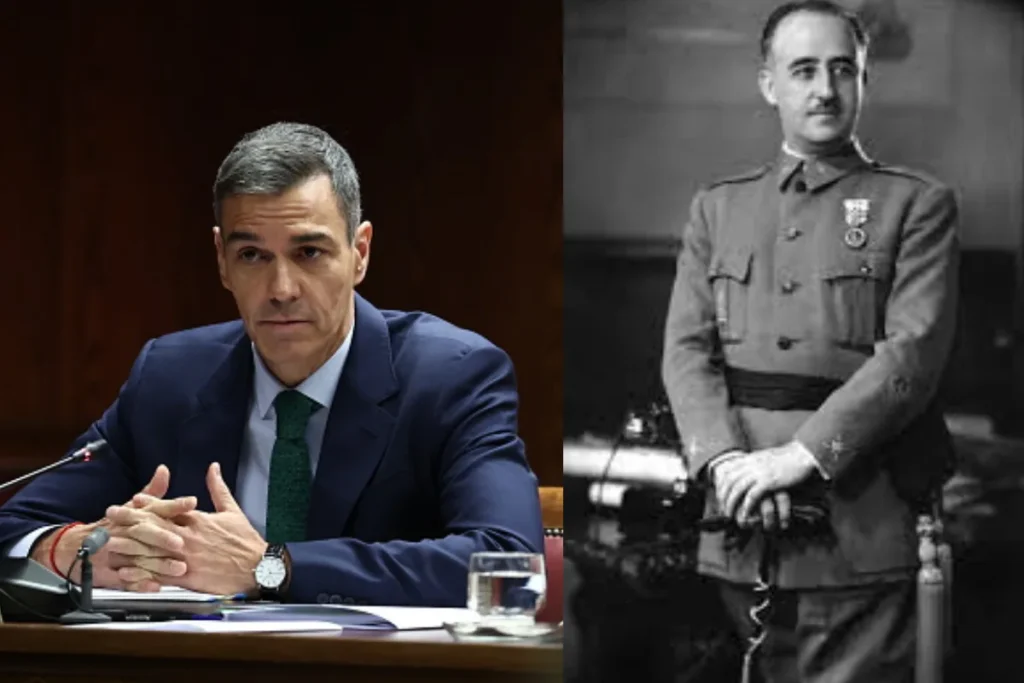
Madrid, November 1, 2025 – Spain’s government has started official steps to ban a controversial foundation glorifying dictator Franco. This landmark action is taking place as the country reflects on fifty years since the death of General Francisco Franco. The foundation, which promotes Franco’s legacy, faces serious criticism for its ongoing praise of Francoist ideology, drawing outrage from victims and civil society groups.
Democratic Memory Law Targets Franco’s Legacy
The culture ministry announced to ban controversial foundation on Friday. This follows the 2022 Democratic Memory Law passed to honour victims of Franco’s rule and to shut down organisations that glorify Francoist ideology. Officials stated that the foundation glorifies Francoism and praises its leaders. As a result, it belittles and humiliates victims of the Spanish Civil War and Franco’s dictatorship. The ministry also said that the group does not serve any public interest and that its messages indirectly incite hatred.
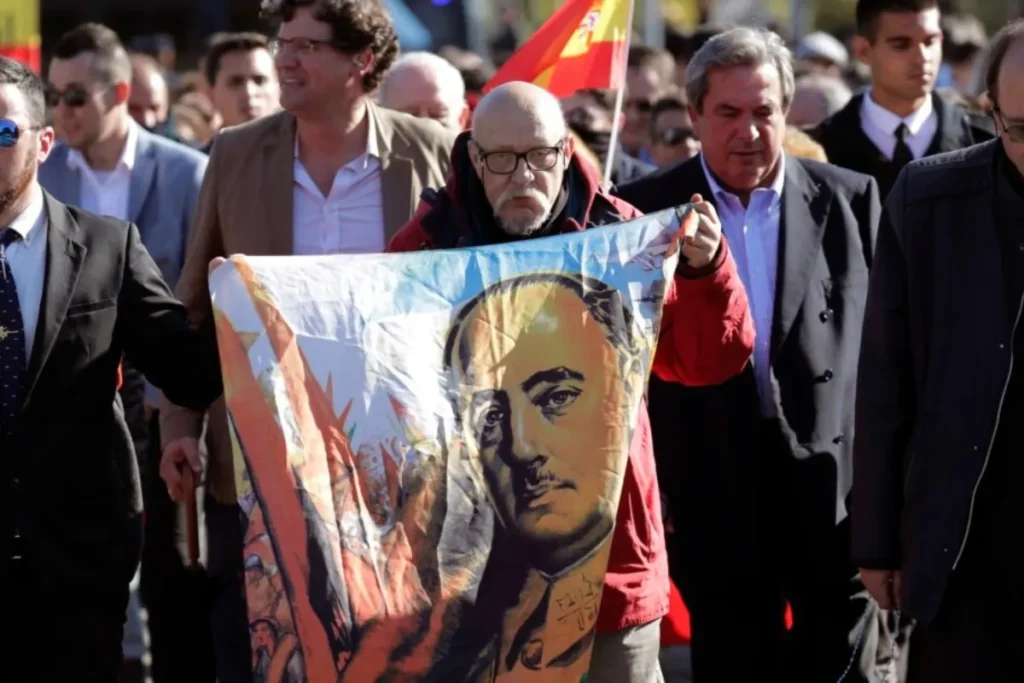
According to historians, around 540,000 people died during Spain’s Civil War. When Franco established his dictatorship in 1939, another half a million fled to South America, escaping the regime’s repression. The ban of controversial foundation, which is already receiving severe criticism from the victim’s side, is also a way to quell the cries of many activists and citizens. In 2017, a petition for the dissolution of the foundation was signed by over 200,000 people. Which was a clear indication of the strong public support behind this move.
Final Decision Rests with Spanish Courts
The private foundation, managed by Franco’s descendants, has long focused on promoting the study and legacy of the dictator. Carmen Franco, Franco’s daughter, served as its honorary president until her passing in 2017. Despite ongoing public protests and repeated demands by civil rights groups, both socialist and conservative governments previously failed to ban the controversial foundation. The issue remained a sensitive one in Spain’s political dialogue. Now, the government’s decision to ban the controversial foundation marks a major change, directly linked to the Democratic Memory Law’s goals.
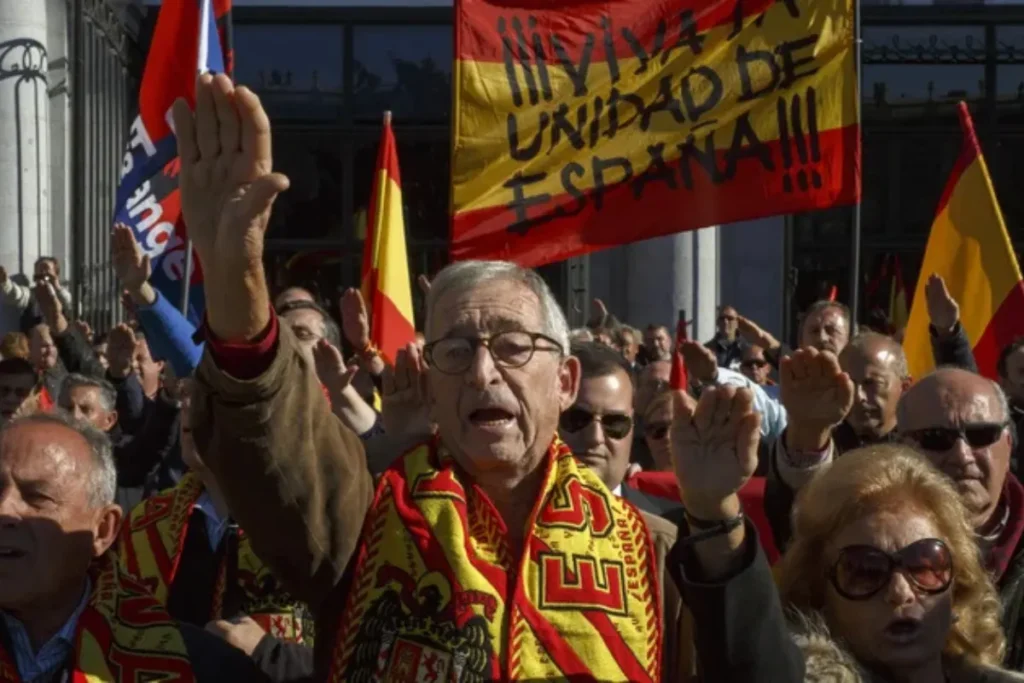
The next step will be taken by Spain’s judicial authorities. Who will make the final ruling on whether the ban on the controversial foundation becomes permanent. While civil society has fought for years to see this outcome, only now has the government made a move reflecting the demands for justice and remembrance. The foundation’s activities glorifying dictator Franco and Francoism have long caused distress to the families and victims of political repression. This new step to ban the controversial foundation sends a clear message against any form of hate or glorification of oppressive ideologies. The decision taken by the government to ban the controversial foundation is a clear and loud statement.
To put it another way, in the scenario where Spain’s courts would uphold the government’s action, it would mark a considerable turning point in Europe’s approach to dealing with the past and the legacy of historical controversies. While it is true that many people consider the prohibition of the foundation that praises dictator Franco as a necessary action to take for the society to experience healing, enlightenment, and progress from the scars left by dictatorship, it is still a matter of opinion.
Read More: Denver’s Halloween Weekend Forecast: Chilly, Dry Weather with a Warm-Up to Follow