Introduction
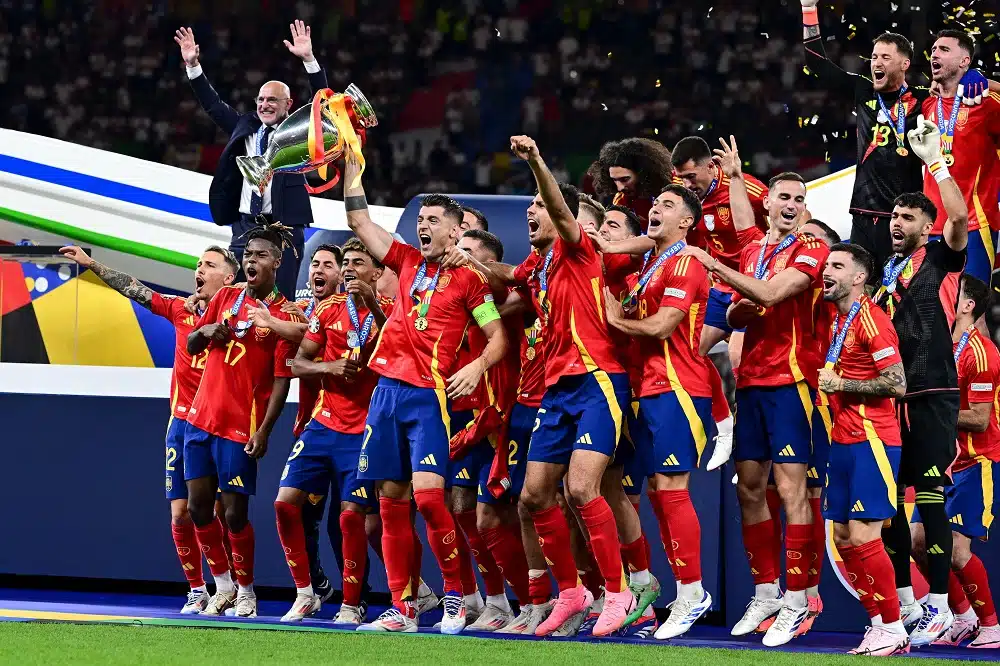
As the world gears up for the 2026 FIFA World Cup, anticipation is building not just among fans, but also among the players who dream of representing their countries on the global stage. Recently, the Spanish Football Federation announced the official squad for Spain’s national team, which has sparked widespread discussion and analysis. This announcement is particularly significant given the prestigious history of Spain in international football, including their triumph in the 2010 World Cup. The selection of players reflects not only individual performances but also the strategic vision of the coaching staff.
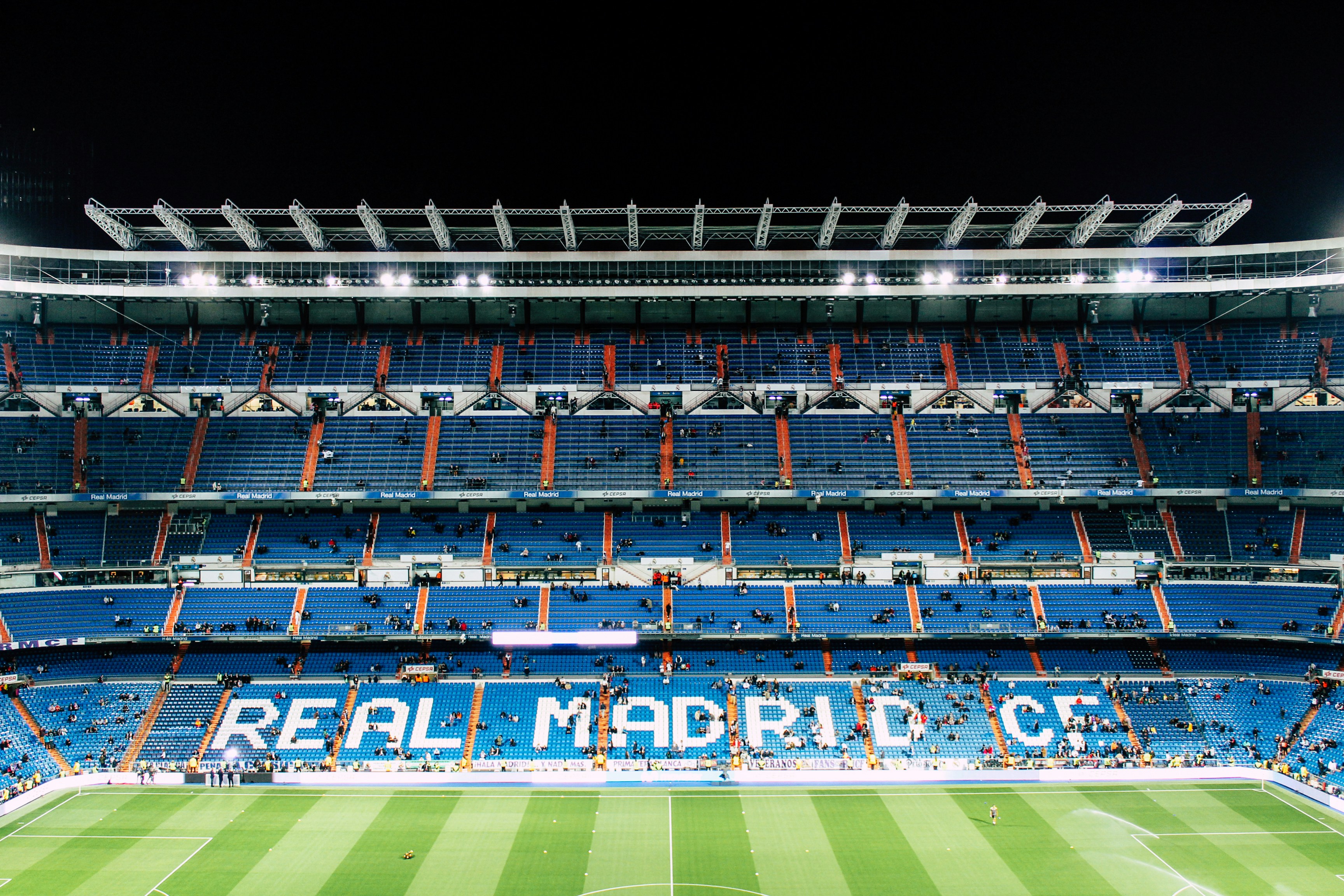
What makes this announcement noteworthy is the absence of players from Real Madrid, one of the most successful football clubs in both Spain and Europe. Traditionally, Real Madrid has been a cornerstone of the Spanish team, contributing star players who have played pivotal roles in previous tournaments. However, this time, none of their athletes made the cut for the national squad, leaving fans and commentators to speculate about the implications for both the team and the club.
The exclusion of Real Madrid players speaks to a broader narrative in Spanish football, underscoring the competitive nature of player selection and the changing dynamics within the team. This development could suggest a shift in priorities for the national team management, who may be looking to infuse fresh talent and revive the squad’s competitive edge. In light of these changes, understanding the profiles of the selected players and the reasons behind their inclusion becomes essential. The announcement sets the stage for exploring the strategies and choices made by the coaching staff in this crucial phase leading up to the World Cup.
Manager Luis de la Fuente’s Decision
The recent announcement of Spain’s World Cup squad for 2026 has ignited discussions, particularly surrounding the absence of players from Real Madrid. Manager Luis de la Fuente’s decision-making process has come under scrutiny as he has opted for alternatives that might not have the typical spotlight associated with star players. This choice reflects a strategic shift in approach as de la Fuente aims to foster a team environment that thrives on cohesion and collective effort, rather than individual brilliance.
De la Fuente’s selections point towards a vision grounded in comprehensive gameplay and teamwork, aspects he deems crucial for achieving success on the international stage. During his press conference, he articulated the importance of integrating players who excel in unison, highlighted by their recent performances in domestic leagues. His focus appears to be on instilling a robust tactical discipline that can adapt fluidly during matches, an essential quality for navigating the challenges of the World Cup.
The absence of Real Madrid players is certainly a bold move; however, de la Fuente has expressed confidence in his squad, emphasizing that decisions made were in the best interest of the team’s potential and future. He acknowledged the significance of past performances, stating that current form and adaptability played substantial roles in his selections. As the countdown to the World Cup progresses, questions arise as to whether this decision will yield the desired results or serve as a pivotal learning opportunity for the coach and the team alike. De la Fuente’s foresight will undoubtedly be tested in the fast-approaching tournament, for which he remains optimistic about the capabilities of his chosen players.
Squad Composition Overview
Spain’s 2026 World Cup squad has been unveiled, revealing a distinct composition of players that has drawn attention due to the absence of any representatives from Real Madrid. This decision highlights a remarkable trend in the selection process, particularly favoring players from FC Barcelona, who dominate the lineup across various positions.
In terms of goalkeepers, the squad includes three key individuals: Player A from FC Barcelona, Player B from Atlético Madrid, and Player C from Sevilla FC. Each of these goalkeepers has exhibited exceptional form in recent competitions, showcasing a blend of experience and agility that will be crucial in high-stakes matches.
Moving to the defensive lineup, a significant portion is filled by FC Barcelona players, reflecting their recent performances in both domestic and international contexts. The defenders consist of Player D, Player E, and Player F, each bringing unique strengths and leadership qualities. Their statistics— such as tackles made, interceptions, and clean sheets— reinforce their inclusion as they have consistently performed at a high level in their respective leagues.
In the midfield section, Spain features a blend of youth and experience, with Player G and Player H from FC Barcelona, complemented by Player I from Real Betis. This trio exemplifies versatility, capable of both defending and attacking, which is imperative for Spain’s tactic of maintaining possession and controlling the game tempo.
Lastly, the forward line is notably dynamic and predominantly comprised of talents from Barcelona, including Player J and Player K. They possess significant goal-scoring capabilities, highlighted by their scoring records in previous seasons. The selection reflects an orientation towards creative play and agility, crucial for penetrating opposition defenses.
This focus on FC Barcelona players illustrates a strategic direction in Spain’s national team framework, positioning them as front-runners for the upcoming World Cup with a well-rounded squad.
Goalkeepers Selected
The announcement of Spain’s World Cup squad for 2026 has generated significant attention, particularly regarding the selection of the goalkeepers: Unai Simón, David Raya, and Joan García. Each of these players brings a blend of experience and recent form that will be crucial for Spain’s campaign.
Unai Simón, currently playing for Athletic Bilbao, has established himself as a pivotal figure in the national setup. His agility and shot-stopping ability were vital during previous international tournaments, as he showcased commendable performances in crucial matches. Despite the challenges of maintaining peak form in La Liga, Simón has remained consistent, earning his place as the first-choice goalkeeper for Spain.
David Raya, who is with Brentford in the English Premier League, is notable for his impressive reflexes and ability to play out from the back. His performances in the Premier League have not gone unnoticed, as he consistently ranks among the top goalkeepers for saves and distribution. Raya has also had the opportunity to feature in friendly matches for the national team, further solidifying his rapport with the squad. His inclusion reflects a growing trust from the coaching staff regarding his capabilities on the international stage.
Lastly, Joan García has been rising through the ranks, currently playing in Spain’s domestic league. His commendable performances with his club have led to increased recognition. García represents a younger perspective in the goalkeeping department, bringing agility and potential for growth, which could benefit the team in future competitions. His selection alongside established goalkeepers indicates Spain’s commitment to balance experience with emerging talent.
Defensive Line-Up Analysis
The announcement of Spain’s 2026 World Cup squad has sparked interest, particularly regarding the chosen defenders. This selection indicates a strategic pivot, as no Real Madrid players were included. The defensive lineup comprises several notable talents who have shown significant promise in their respective clubs.
One of the standout choices is Jules Koundé, playing for FC Barcelona. His tactical awareness and ability to play both as a centre-back and right-back provide versatility to the squad. Koundé’s performances in La Liga have demonstrated his adeptness at reading the game, which will be crucial in the high-pressure scenarios that World Cup matches often present.
Another promising inclusion is Pau Torres from Villarreal. Torres is renowned for his composure when on the ball and his capacity to initiate plays from the back. His aerial ability and strong tackling make him an essential figure in defensive situations. His experience in European competitions could also add a layer of maturity to Spain’s defense.
Additionally, Jose Gimenez of Atletico Madrid brings a physical presence to the squad. Known for his tenacity and leadership qualities, Gimenez has thrived in Diego Simeone’s structured environment, learning to adapt to various styles of play. His experience in tough defensive battles will certainly be an asset for the national team.
Finally, David Garcia of Osasuna has emerged as a surprising yet wise selection. His consistent performances in La Liga have caught the attention of the coaching staff. Garcia’s ability to read opposing attacks and quickly reposition makes him an effective defender under pressure, suitable for the fast-paced nature of World Cup fixtures.
Overall, this defensive lineup reflects a blend of youth and experience, with players positioned to exploit their strengths while adapting to diverse tactical demands during the tournament.
Midfield Masterminds
The engine room of any football squad is undoubtedly the midfield, where creativity and strategy converge to dictate the rhythm of the game. Spain’s 2026 World Cup squad features a selection of midfielders who not only excel in their respective clubs but also align with the national team’s tactical framework. This year, notable midfield players such as Pedri, Gavi, and Rodri have been called up, each bringing unique attributes to the pitch.
Pedri, the young Barcelona prodigy, is renowned for his incredible vision and passing accuracy. His ability to control the game and maintain possession under pressure makes him a key figure in Spain’s midfield setup. Gavi, also of Barcelona, complements Pedri with his relentless work rate and dynamism. His capability to win back the ball and transition quickly into offense adds depth to the midfield, making him an invaluable asset.
Rodri, playing for Manchester City, offers a more defensive perspective. His strong tackling and exceptional positional awareness provide a balance to the midfield trio. Rodri’s experience in high-stakes matches gives Spain a sense of stability, essential for navigating the pressures of a World Cup. The synergy between these players is crucial; they not only share the ball efficiently but also embody the pressing style characteristic of Spanish football.
Furthermore, the selection committee has prioritized players who contribute not just defensively but also creatively. This holistic approach ensures that Spain can dominate possession while also dictating the pace against their opponents. The midfield’s ability to function cohesively will be paramount in Spain’s push for success in the upcoming tournament, integrating each player’s strengths into a fluid strategy tailored for the World Cup ambiance.
Forward Insights
As the anticipation for the 2026 World Cup builds, the Spanish national team has unveiled its squad, which notably omits any players from Real Madrid. A crucial area of focus within this roster is the forward line, which comprises some of the most promising talents in European football. Each forward brings distinct qualities that the coaching staff hopes will converge into a potent attacking force during the tournament.
Leading the charge is the prolific striker of Barcelona, who has made headlines with his incredible goal-scoring ability this season. With a deep understanding of positioning and timing, he has demonstrated an uncanny knack for finding the back of the net, contributing significantly to his club’s title aspirations. His recent performances in both league and international friendlies showcase a player in superb form, and his experience will be invaluable on the world stage.
Another standout in the squad is a young forward from Atlético Madrid, who has quickly earned his place among Spain’s elite attackers. Known for his electrifying pace and dynamic dribbling skills, he poses a formidable threat to opposing defenses. His recent showing in domestic competitions has seen a marked improvement in his finishing abilities, making him a double threat as both a creator and a scorer.
Additionally, a rising talent from Villarreal brings versatility to the forward line, seamlessly switching between wing positions and leading the front line. His capacity to adapt to various tactical setups makes him an interesting option for the coach as strategies evolve throughout the World Cup. The interplay between these forwards, complemented by the creativity of midfielders, is likely to shape Spain’s attacking philosophy as they aim for success.
Preparation Schedule and Friendly Matches
As Spain gears up for the 2026 World Cup, the national team’s preparation schedule is set to commence at the Ciudad del Fútbol in Las Rozas. This venue, renowned for hosting crucial training camps, will provide an ideal setting for the players to hone their skills and strengthen team dynamics ahead of the tournament.
The training camp is designed to facilitate intensive practice sessions, allowing the coaching staff to implement tactical strategies and evaluate player fitness. A well-structured preparation timeline will maximize the team’s readiness, focusing on both physical and mental conditioning. This period will also offer opportunities for team bonding, which is often a key element in achieving optimal performance during high-stakes competitions.
As part of this preparation, the Spanish national team has scheduled two important friendly matches against Iraq and Peru. These encounters will serve as a critical component of their lead-up to the World Cup, allowing for practical application of training insights in a competitive setting. The match against Iraq is aimed at testing the squad’s adaptability against differently styled opponents, while the fixture with Peru will provide a chance to evaluate strategies in response to varying levels of play.
Both fixtures will not only help in assessing individual player performance but also in evaluating team cohesion and readiness to compete on an international stage. It is crucial for the team to approach these friendlies with the seriousness of an official match to build confidence and address any tactical deficiencies. Ultimately, the outcomes of these matches, along with the training camp efforts, will pave the way for Spain’s aspirations in the World Cup.
Looking Ahead to the World Cup
Spain’s squad for the 2026 FIFA World Cup has been confirmed, and with this announcement, anticipation for the tournament is building. The final selection notably excludes players from Real Madrid, a decision that has sparked discussions among fans and analysts. With the group stage matches looming, the focus now shifts to how Spain will perform against some of the strongest national teams globally.
Spain is drawn into a competitive group, and their initial fixtures will test the depth and strength of the newly selected squad. The matches against traditional rivals and emerging teams will provide an opportunity for the players to demonstrate their abilities on a world stage. Each encounter will be crucial for Spain to secure advancement to the knockout stage, where the stakes will be even higher.
Expert predictions suggest that Spain’s chances depend heavily on the established chemistry among the players and the tactical acumen of the coaching staff. Given the absence of Real Madrid players, the blend of young talent and experienced athletes could either be a gamble or a masterstroke. Analysts are closely assessing the potential formation and strategic approach that will be applied in the tournament.
Looking ahead, Spain’s emphasis will likely be on possessing the ball and creating scoring opportunities, utilizing their skills in passing and movement. If the players can coordinate effectively, they might have a significant edge over their counterparts. Fans and pundits alike are keen to see how this squad will evolve during the competition. The cohesion among the players will be critical, as any signs of discord or misalignment could alter their trajectory in the tournament. Thus, the forthcoming World Cup not only holds excitement for the matches but also for the narrative that unfolds around Spain’s new path in international football.