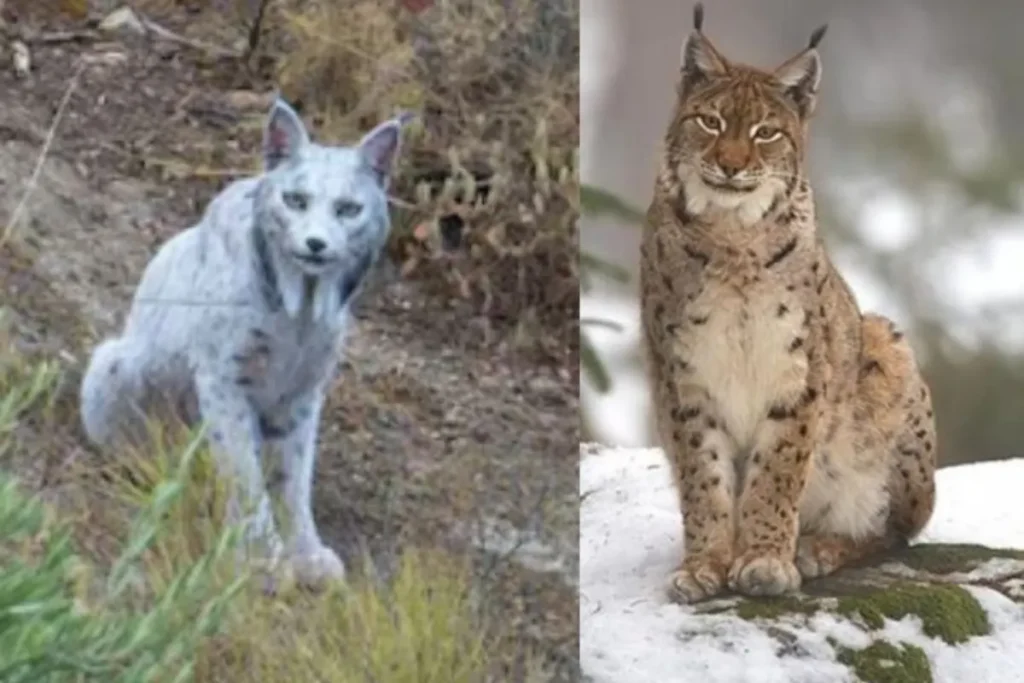
On October 29, 2025, the southern part of Spain, Jaén, was the scene of a rare wildlife occurrence. And gained worldwide attention for being the place where the first white Iberian lynx of the world was. The white Iberian lynx, an extremely rare and elusive animal, was through the ivory-like skin, recorded for the first time ever in Spain. Thus showing the still ongoing success of nature conservation programs.
A Rare Wildlife Wonder: The White Iberian Lynx
The local wildlife photographer Angel Hidalgo had the luck to catch the rare white lynx on his camera. The lynx has got a genetic defect called leucism that is the reason for the partial loss of pigmentation. However, it still can easily be distinguished from other Iberian lynxes. The lynx also has the normal eye color which is a trait of non-albino animals and usually indicates that the animal does not have vision problems. Therefore, one could say that the situation is no different with the white Iberian lynx or red-to-black coat. Hence, one might say that this is the scenario with the white Iberian lynx or red-to-black coat.
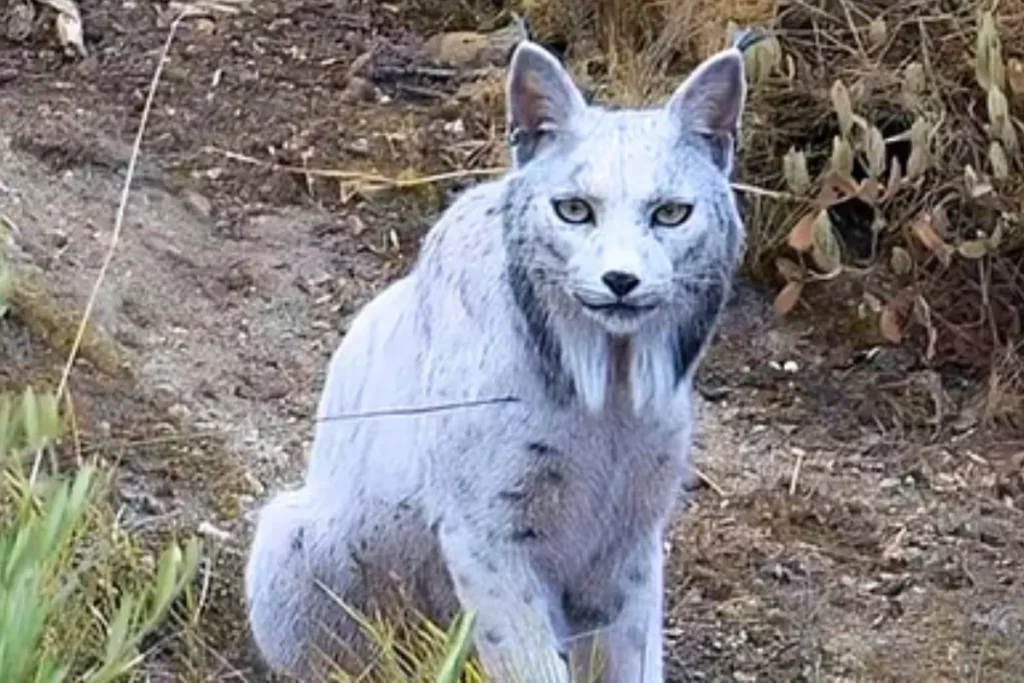
The lynx spotted in Jaén mountainous area where rich flora and fauna exist was secreted by the authorities that the rare animal’s location to avoid hardship. The video has gone viral already and the sighting has gathered the interest of nature lovers and conservationists from all over the world.
Conservation: Bringing the Iberian Lynx Back from the Edge
The white Iberian lynx is a historical figure that undoubtedly indicates a successful protection of both the wildlife and nature. In Spain, the number of Iberian lynxes was estimated to be less than 100 by 2002. The illegal killing of the species and their habitat reduction almost brought about extinction. To the contrary, the number of the lynx increased – though at a very slow rate. Due to the strict conservation policies of the Spanish government that were backed by NGOs. And also because of the financial support provided by European projects.
In 2015, the number of adult lynxes was 404. The present year, 2025, has almost 2000 population of the species. The increase in the number of lynxes is extraordinary and it proves that through proper management, the extinction of the species can be reversed.
The white Iberian lynx still has to cope with some hardships notwithstanding the breakthrough. Its color makes it conspicuous and thus it has difficulties to hide in the wild which poses a risk of being easily approached by predators. However, the conservationists are still optimistic and believe that the thing will survive and eventually lead to the furtherance of the wildlife protection work done so far.
Key Facts About the White Iberian Lynx:
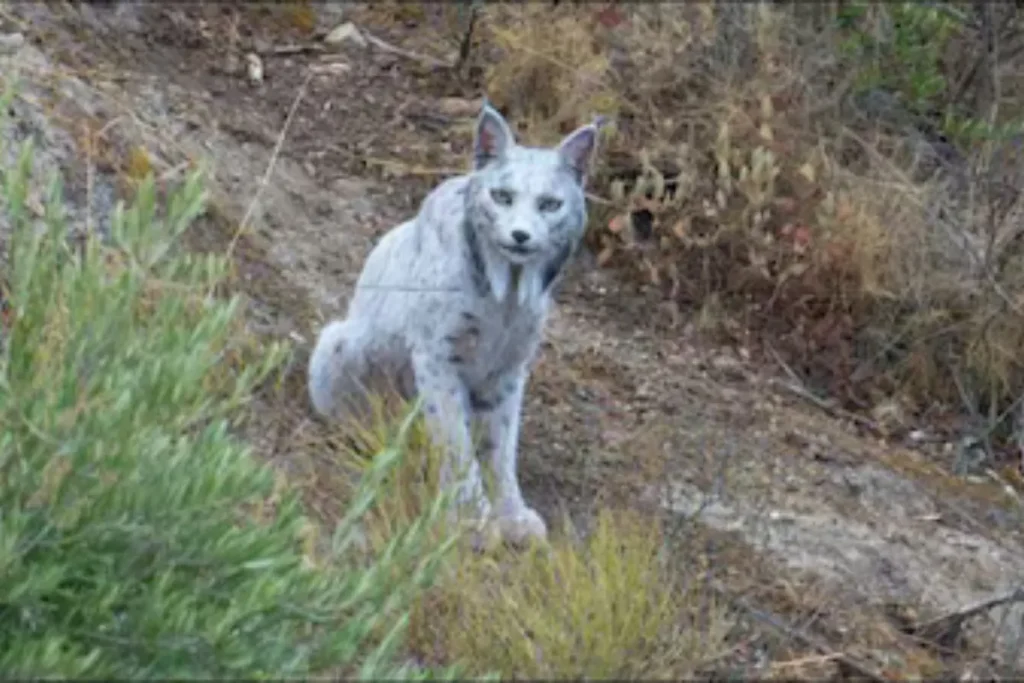
- Spotted in Jaén, southern Spain on October 29, 2025
- Exhibits leucism, causing light cream-colored fur
- Retains normal eye color, unlike albino animals
- Part of a growing Iberian lynx population of about 2,000
Sighting signals positive effects of strong conservation
The first white Iberian lynx discovered in Spain is not only a rare animal event. It is also a symbolic representation of hope, resilience, and conservation that eventually came through. The Spanish lynx has gradually become an icon of nature’s rejuvenation. This achievement was made possible through human power, care, and concern.
The dazzling white Iberian lynx drew praises across social media. Many people described it as a striking reminder of the importance of wildlife protection. The trail of this spectral cat in the Sierra de Andújar is an exhibit of nature’s power, and thus of conservation success.
This unusual occasion is an appeal to everyone to not only acknowledge but also to contribute to the efforts aimed at saving the endangered species around the globe. The first white Iberian lynx in Spain is not only a living organism but also a good sign and a true asset for the wildlife conservation sector.
Read More: Spain’s 2026 Holiday Calendar Promises More Long Weekends and National Breaks