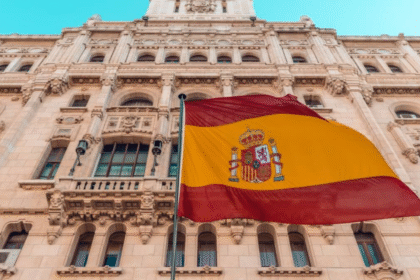
President Donald Trump has told that he might place tariffs on Spain for not raising its NATO defense spending to 5% of GDP. Trump did not hide his discontent with Spain, saying that their position was disrespectful to NATO. Spain is the only one of the NATO countries that has not assured its compliance with the newly set spending target.
Trump’s Warning to Spain on Tariff Threats
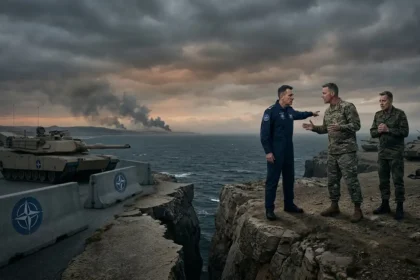
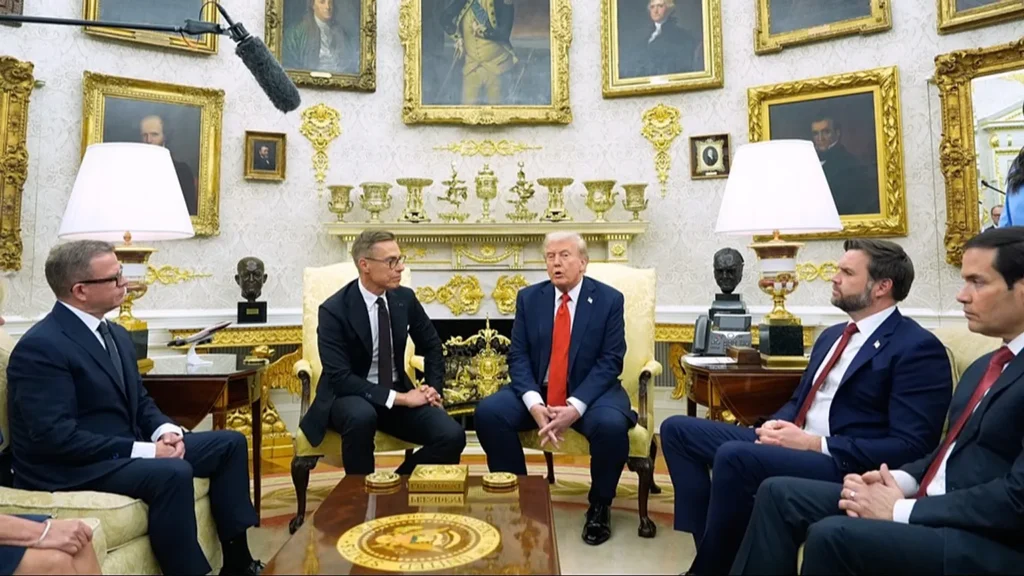
Trump, during a White House press conference on October 14, 2025, admitted that he was “very unhappy with Spain” for not agreeing to military spending of 5%. He went on to say that Spain’s noncompliance was “very disrespectful” and “unfair” to NATO. The President of the United States argued that Spain’s location was providing them security without they having to pay much, echoing concerns over NATO defense contributions. He warned of trade barriers, like tariffs, being raised against Spain as a consequence of their noncompliance.
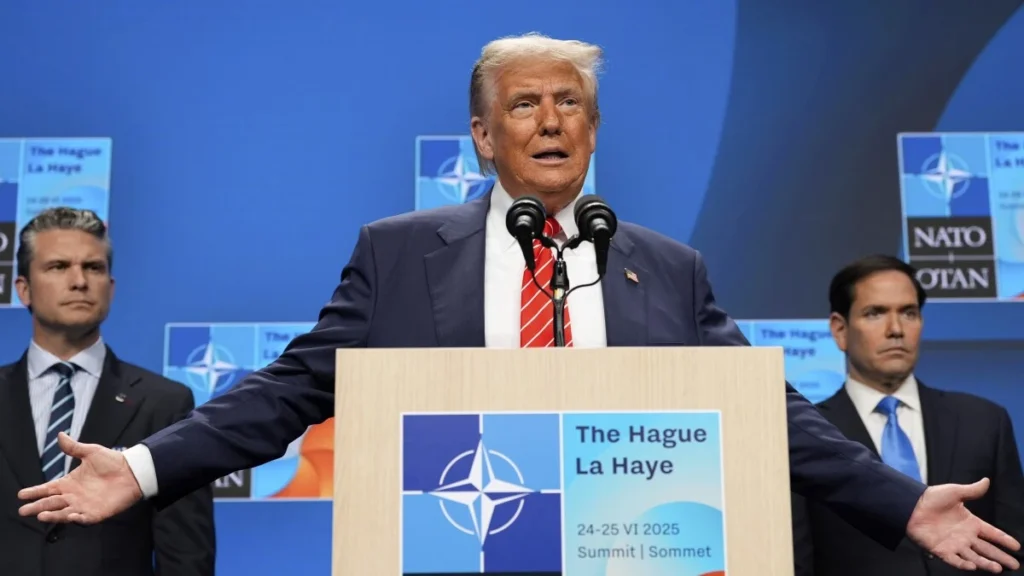
Trump further suggested a stronger course of action might be through economic sanctions or NATO’s reduced membership for Spain and even mentioned such actions indirectly. His remarks exhibit the constant pressure on NATO allies to raise their military budgets, which comes as an answer to security apprehensions triggered by the Russian invasion of Ukraine.
Spain’s Position and NATO Defense Spending Context
Spain, a NATO member since 1982, spent about 1.24% of its GDP on defense in 2024, the lowest among NATO countries. Although Spain agreed to raise its defense budget to 2.1%, it rejected the more ambitious target of 5%, negotiated as part of NATO’s new spending commitment aimed to be achieved by 2035. Spanish Prime Minister Pedro Sánchez called their current level “sufficient and realistic” given Spain’s economic and social priorities, despite NATO defense concerns.
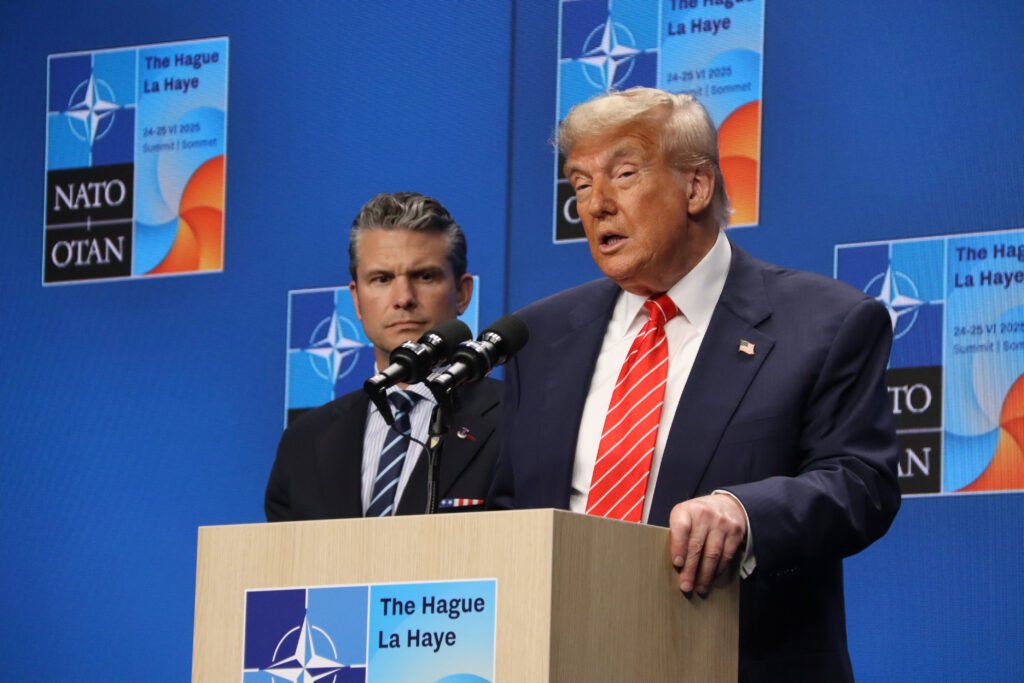
Spain argues it contributes significantly to NATO through troop deployments and participation in missions in countries like Latvia, Romania, Bulgaria, and Turkey. Nevertheless, Trump sees Spain’s spending and stance as taking advantage of the United States and other allies, who are increasing their contributions.
The NATO target was raised from 2% to 5% of GDP to address growing security threats in Europe. The new target set by Spain’s rejection was a disappointment for a considerable number of allies and put Spain in opposition to the defense spending targets advocated by the President.
In general, the Trump tariff on Spain situation points to the incompatibility between the U.S. demand for more NATO defense spending and Spain’s decision to align military expenditures with social programs. President Trump’s tariff threat is a light that reveals a major issue concerning trade and security which could have a lasting effect on Spain-U.S. relations and NATO’s unity in the future.
Also Read: Spain PM Cautions Against Impunity for Gaza ‘Genocide’ in Trump’s Israel-Hamas War